Boosting Curb Appeal: How Decorative Gable Trusses Transform Home Exteriors
Updated: November 18, 2025
What if you could dramatically improve your home's curb appeal in just a weekend? Decorative gable trusses deliver exactly that: instant architectural interest that makes your property stand out in any neighborhood, without major renovation.
They're affordable, install quickly, and create the kind of dimensional interest that transforms ordinary homes into neighborhood showpieces.
Whether you have a Craftsman bungalow, modern farmhouse, or traditional colonial, the right truss design adds depth, character, and measurable value.
This guide walks you through every decision, from style selection to ROI considerations, ensuring your exterior upgrade delivers maximum impact.
What Are Decorative Gable Trusses?
Decorative gable trusses are purely aesthetic architectural elements installed on exterior gable ends to add visual interest and dimension.
Unlike structural trusses that support roof loads, these attach to existing gable walls and feature horizontal beams, vertical posts, and diagonal braces arranged in geometric patterns.
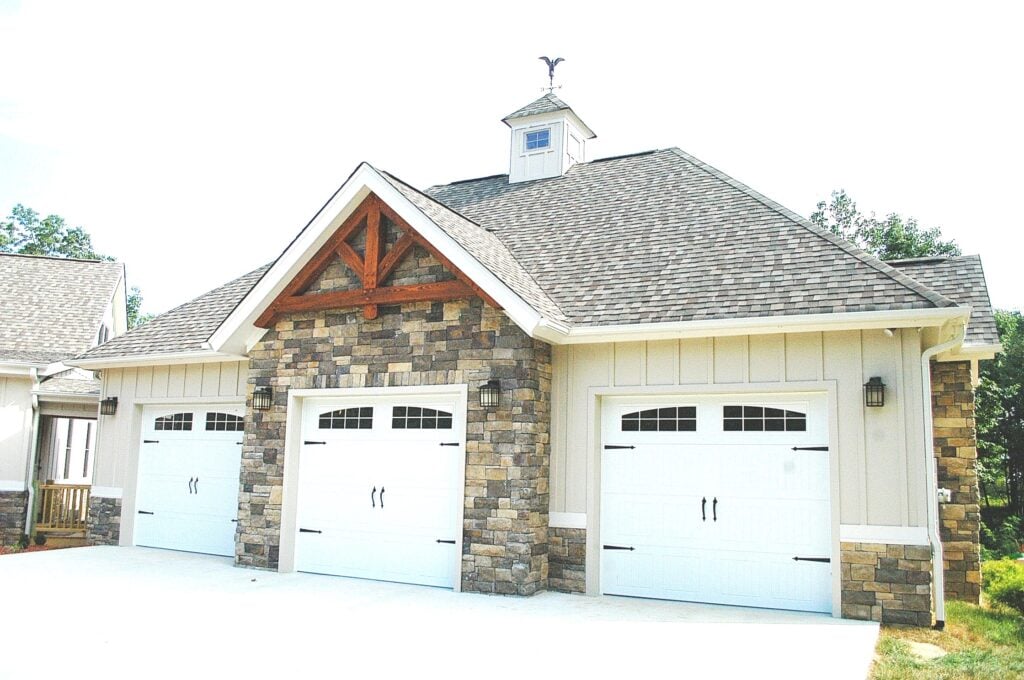
Popular configurations include king post (single vertical center support), queen post (two vertical supports), scissor truss (crossed diagonal members), and fan patterns radiating from a center point.
Visual Impact and Curb Appeal
The transformation is immediate and striking. Plain gables appear as flat, two-dimensional surfaces, while trusses create depth and establish focal points.
The play of light and shadow across truss members changes throughout the day, making your home's exterior feel dynamic rather than static.
Architectural balance improves significantly; homes with interesting rooflines but plain gables often feel top-heavy, and trusses bring visual weight down to create harmony.
Expect neighbors to notice. The change registers immediately, and your home commands attention as a standout property with thoughtful architectural details rather than blending into the streetscape.
Return on Investment
Decorative gable trusses deliver impressive returns compared to other exterior upgrades. Projects typically cost between $800 and $3,500 per gable, with a 75% to 150% ROI at resale.
Compare this to new siding (70–80% ROI, $8,000–$16,000) or entry door replacement (75% ROI, $1,500–$3,500). You're spending less while achieving comparable or superior returns with faster installation and less disruption.
Homes with enhanced curb appeal sell 30% faster on average. Decorative trusses make your home more photographable and memorable, signaling quality and care that translates into quicker offers and less price negotiation.

Matching Styles to Your Home
Successful truss installations complement your home's existing architecture rather than competing with it.
The key is selecting designs that reinforce your home's character, whether that means embracing exposed timber accents for Craftsman styles or maintaining clean geometric lines for Colonial homes.
Here's how to match truss styles to popular architectural types:
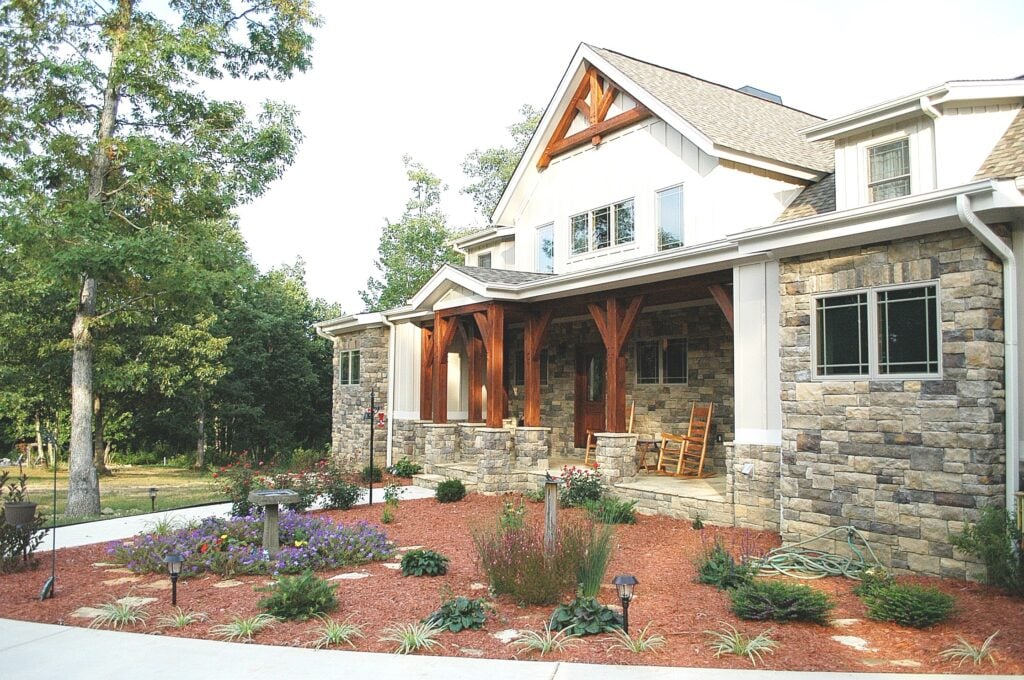
- Craftsman and Bungalow: King post and queen post configurations work exceptionally well, with substantial timber sizing that echoes hefty brackets typical of Craftsman architecture. Stain in darker tones such as walnut or espresso.
- Farmhouse: X-patterns and simple crossed braces deliver rustic simplicity. Keep designs straightforward with clean lines. White-painted trusses against dark siding create high contrast.
- Traditional and Colonial: Symmetry is essential. Mirror treatments on corresponding gables. Simple fan patterns or sunburst designs centered in the gable peak complement formal, geometric aesthetics. Paint trusses to match existing trim.
- Ranch and Mid-Century Modern: Keep designs low-profile and geometric. Horizontal beam patterns work better than vertical emphasis, respecting the fundamental horizontal nature of ranch architecture.
Material Options
Your choice of materials affects both the appearance and longevity of your decorative trusses. While wood offers traditional beauty and versatility, modern synthetics eliminate maintenance concerns, and metals provide contemporary aesthetics with exceptional durability.
Consider your climate, maintenance preferences, and home style when selecting materials.
- Wood: Cedar is a popular choice due to its natural rot resistance and beautiful grain, but white oak, bald cypress, and Douglas fir are excellent choices as well. If painted or stained, expect to refinish every 3–5 years.
- Synthetic: Cellular PVC offers a painted wood appearance without maintenance—no rot, splitting, or insects. It requires only occasional washing and maintains its appearance for decades.
- Metal: Aluminum delivers modern aesthetics with powder-coated finishes that resist fading. Steel offers maximum strength for large installations. Copper develops distinctive patina over time, transitioning from bright metallic to blue-green verdigris.
Installation Considerations
Homeowners with professional carpentry experience can tackle installation as a weekend project on accessible single-story homes, though the size and weight of the gables are important factors—larger or heavier structures may require additional help, support, or equipment.
Professional installation can cost $300–$800 per gable and ensures proper flashing, secure attachment, and a polished finish.
Height, roof pitch, truss width and weight, and the gable’s overall style all affect installation difficulty, and many “quick” DIY installs wind up taking much longer than expected.
Steeper angles, wide trusses, or intricate designs require staging, safety equipment, and greater expertise, making professional installation the best choice.
Critical steps include locating wall studs for secure attachment (not just siding), proper flashing to prevent water intrusion, and quality caulking at all joints.
Simple designs on accessible gables may take 4–6 hours or even longer for DIY installation, while professionals typically complete most installations in 2–4 hours per gable.
Sizing and Proportion
The gable truss proportions determine whether your installation looks professionally designed or awkwardly mismatched. The truss assembly should fill 60–75% of the gable's width and extend 40–60% of the total gable height.
Match member thickness to your home's trim. Bold, substantial trim benefits from 4x4 to 6x6 sizing, while delicate details need 2x4 or 2x6 lumber.
For multiple gables, consider using your most elaborate design on the primary street-facing gable and simpler variations on secondary gables while maintaining consistent sizing and member thickness.
Color and Finish
The safest approach matches existing window trim, fascia, and woodwork, making trusses feel original rather than afterthought additions. White trusses against darker siding deliver classic contrast, while dark trusses on light homes create sophisticated drama.
Natural wood finishes with clear sealers or semi-transparent stains showcase grain beautifully but may require refinishing every 2–3 years in harsh climates.
Bold accent colors such as navy, forest green, or barn red introduce personality but work best on homes with simple existing color schemes.
Common Mistakes To Avoid
Undersized trusses disappear from street view, while oversized installations overwhelm the gable. Ornate Victorian patterns clash with modern homes, and rustic designs undermine formal traditional aesthetics.
Never skip proper flashing! Moisture intrusion leads to rot and expensive repairs. Ensure adequate fastening to withstand wind loads and accommodate wood expansion and contraction in your installation.
Maintenance Requirements
Conduct annual inspections, checking fastener connections, finish condition, and flashing function. Note any cracks or warping.
Painted surfaces need attention every 5–7 years, while stained finishes typically require refinishing every 3–5 years.
Address loose fasteners and small cracks immediately. Problems caught early are easy to repair, but neglected issues can quickly become expensive.
Permits and Planning
Most decorative gable trusses don't require permits since they're non-structural, but check local requirements.
Historic districts often regulate all exterior changes, and homeowner associations frequently require architectural review. Submit detailed plans with dimensions, materials, and colors, emphasizing how trusses enhance neighborhood aesthetics and property values.
Decorative gable trusses offer exceptional value, transforming plain exteriors into architecturally distinguished homes with relatively modest investment and impressive returns.
Final Thoughts
Your home deserves to stand out for all the right reasons. Decorative gable trusses give you the power to transform ordinary exteriors into architectural statements that reflect your taste and attention to detail.
The investment is modest, the installation is straightforward, and the results speak for themselves every time you pull into your driveway. Take that first step toward the curb appeal you've been envisioning. Your home's transformation is closer than you think.
Let the experts at Homestead Timber Frames take your home’s exterior to the next level with decorative gable trusses. Our gable trusses are precision-cut and custom-sized to fit your home perfectly. Schedule your free consultation call today.
Frequently Asked Questions
How to make a gable roof more interesting?
Add decorative gable trusses to create depth and visual interest on flat gable ends. These architectural elements feature horizontal beams, vertical posts, and diagonal braces in patterns such as king post, queen post, or fan designs. Paint or stain them to match existing trim for cohesion, or use contrasting colors for drama.
What is a gable truss?
A gable truss is a triangular structural framework that supports the roof at the gable ends of a building. Decorative gable trusses, however, are non-structural aesthetic elements that attach to existing gable walls. They create visual interest through geometric patterns of beams and braces without bearing any roof load.
What is the difference between a gable truss and a scissor truss?
Gable trusses are triangular frames supporting gable-end roofs, while scissor trusses feature crossed diagonal members forming an X pattern. In decorative applications, scissor trusses create dynamic angular interest ideal for modern farmhouse styles, whereas traditional gable patterns emphasize vertical or symmetrical elements.
Are gable trusses load-bearing?
Structural gable trusses are load-bearing, supporting roof weight at gable ends. However, decorative gable trusses are purely aesthetic additions that attach to existing walls and carry no structural load. They're designed solely for visual appeal, adding dimension and architectural character to plain gable surfaces without any engineering function.